Field Study
The Charm of the Midwest: Sourcing Primitive Antiques for Modern Homes
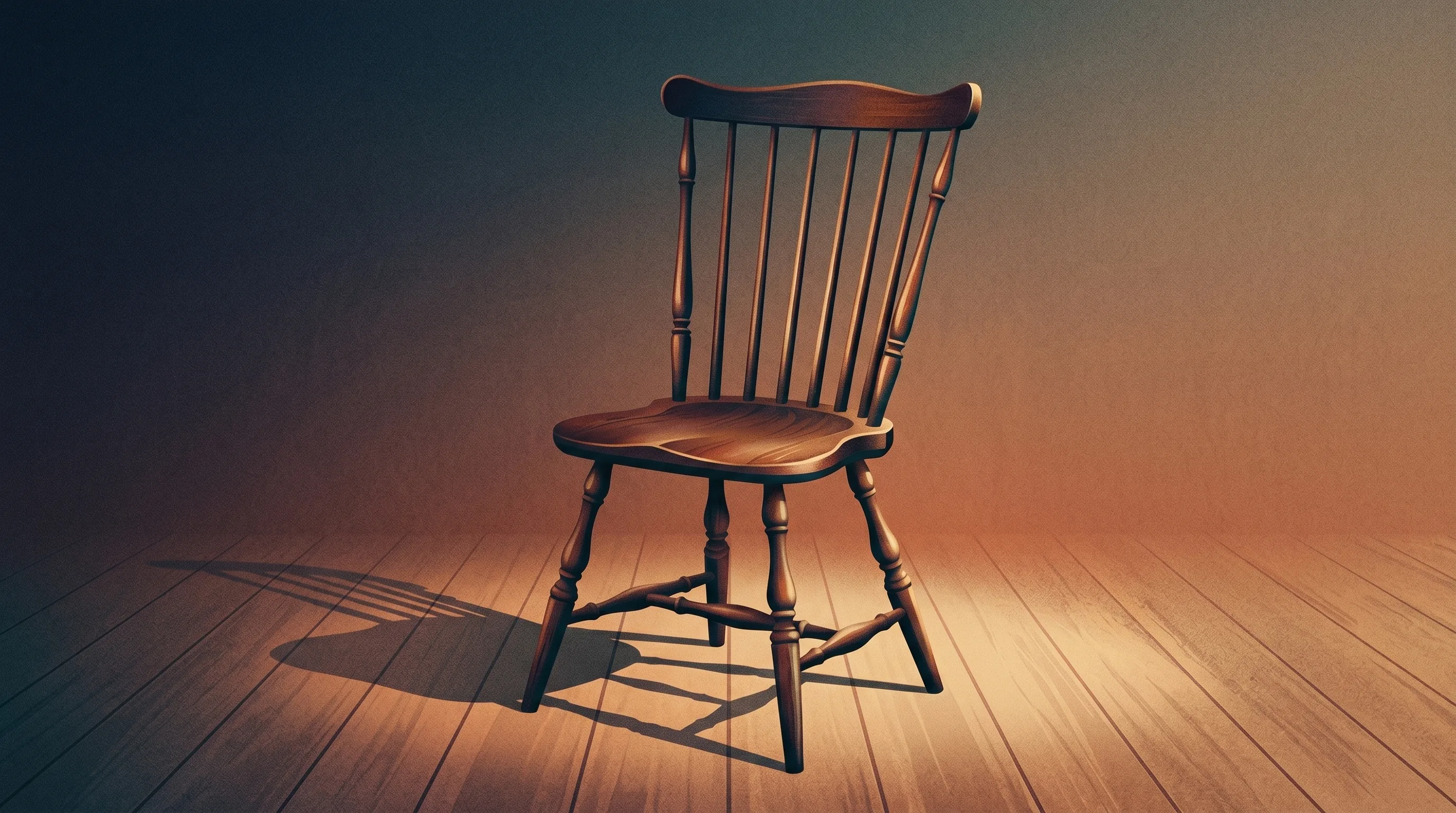
There is a particular quality to furniture and objects that were made by hand in the rural American Midwest during the eighteenth and nineteenth centuries. These pieces were not made to impress gallery visitors or satisfy a decorator's checklist. They were made to last, to work, and to fit the specific demands of a hard life on open land. That practicality is exactly what makes them so compelling to collectors and home decorators in the present day.
Porch Light has built its curatorial identity around this principle. The Portland, Oregon shop specializes in rustic primitive antiques rescued primarily from the Midwest, and over the years the selection has demonstrated just how rich that regional tradition remains.
What "Primitive" Actually Means
The word "primitive" in the antiques trade is a term of craft, not condescension. A primitive piece is one made without the aid of professional cabinetmaking tools, fine joinery, or factory machinery. These are objects shaped by necessity and local materials: a Kansas dry-goods box assembled with cut nails, a Missouri milking stool turned on a foot-powered lathe, an Iowa pie safe with hand-punched tin panels.
Primitive does not mean crude. The best examples of Midwest primitive furniture show remarkable ingenuity. Makers worked with whatever hardwoods grew nearby, ash, walnut, cherry, butternut, and finished surfaces with paint or homemade linseed-oil preparations. The resulting patinas, built over decades of use, are impossible to replicate with commercial aging techniques.
Why the Midwest Remains a Productive Sourcing Region
Estate sales, farm auctions, and county fairs across Ohio, Indiana, Illinois, Iowa, Missouri, and Kansas continue to surface significant objects. Several factors explain this consistency.
First, the Midwest was densely settled by homesteading families who brought Eastern and European craft traditions with them from the early 1800s onward. German immigrants in Ohio and Missouri produced sturdy painted furniture with distinctive decorative motifs. Scandinavian settlers in Minnesota and Wisconsin brought painted chest traditions that traveled well into the American vernacular.
Second, the built environment of the rural Midwest was slow to change. Farmsteads that remained in family hands for four or five generations often preserved objects that urban households discarded decades earlier. That continuity meant that original-surface cupboards, dry sinks, and blanket chests survived in numbers unmatched in the East.
Third, regional dealers and pickers have maintained active networks across the farm belt for generations. A seasoned buyer in Keokuk or Galena knows which estates are likely to yield quality material, and those relationships produce consistent inventory for dealers willing to travel.
Reading the Surface
The surface condition of a primitive piece is its most important attribute. Original paint, that is, paint applied during the object's working life, not during a subsequent restoration, is the single greatest value driver in primitive American furniture. Collectors distinguish among several categories.
"All-original surface" means the piece retains its first coat of paint or finish without any later overpainting or stripping. These examples are rare and command substantial premiums.
"Dry-scraped" describes a surface that has been carefully cleaned of later paint layers to reveal earlier coats underneath. This is acceptable if done with restraint; aggressive scraping destroys the very evidence of age that gives value.
"Milk paint" is a finish made from casein, pigment, lime, and water that was common in rural American households through the mid-nineteenth century. It soaks into wood grain rather than sitting on the surface, producing a characteristic matte depth that synthetic paints cannot mimic. Milk paint in red, blue, mustard, and green is highly sought after.
When examining a potential purchase, look at the back, bottom, and interior surfaces first. These areas were rarely repainted or touched up, and they reveal the true original finish of a piece far more reliably than the front.
Integrating Primitive Pieces into a Modern Home
One of the most common hesitations among new buyers is the question of fit: will a nineteenth-century painted cupboard look out of place in a contemporary home? The honest answer is that it depends almost entirely on placement and restraint.
Primitive furniture works best when given room to breathe. A single large painted step-back cupboard in an otherwise clean kitchen commands attention and anchors the space. Cluster too many period objects together and the effect tips from collected to cluttered.
Contrast is an ally. The warm, aged surfaces of primitive wood read beautifully against clean plaster walls, concrete floors, and modern lighting. The juxtaposition underscores the age and handcraft of each piece rather than flattening it into a "country" theme.
Scale matters more in rustic Americana than in most other collecting categories. Many Midwest primitive pieces were made for low-ceilinged farmhouses or one-room cabins. A nine-board blanket chest that suits a farmhouse bedroom may look awkward beneath a ten-foot-ceiling loft. Measure carefully before buying.
What to Collect Now
For buyers entering the primitive Midwest market today, several categories offer strong value relative to their historical and aesthetic interest.
Painted softwood furniture in early colors, particularly blues and blue-greens, has remained consistently strong. Jelly cupboards, corner cupboards, and small chests in these tones are in active demand.
Architectural elements have gained momentum as buyers look to incorporate salvaged materials into new construction and renovation. Hand-hewn beams, wide-plank flooring, and original hardware can transform a contemporary interior with authentic material that cannot be manufactured.
Pottery and stoneware from Midwestern potteries, particularly salt-glazed crocks and jugs with cobalt decoration, represent an accessible entry point. Unsigned but well-decorated examples remain undervalued compared to signed pieces from identified potteries, and the decorative impact is often identical.
Garden antiques, including iron urns, stone troughs, and cast hardware, are increasingly sought for outdoor spaces. The patina that makes these objects beautiful indoors translates equally well to a garden or covered porch setting.
A Note on Provenance
Provenance matters at every level of the primitive market, but its form differs from high-end formal furniture. For primitive pieces, provenance usually means a documented regional origin, a specific county, an estate sale address, a connection to a named family, rather than a chain of distinguished ownership.
Regional provenance confirms the authenticity of regional character. A painted corner cupboard documented to a specific Ohio county estate carries more weight than an identical piece of unknown origin, because it places the object within the cultural and craft context that produced it.
Keep records of where and when you purchased each piece, any information the seller offered about prior history, and any distinctive features that can help identify the piece in future documentation. These notes cost nothing to maintain and add meaningful value over time.